Why UK Businesses Can’t Ignore E-Invoicing5 min read

For many businesses, invoicing is simply part of the daily rhythm of running a company. A customer places an order, the work is completed, an invoice is sent, and payment follows. When that process runs smoothly, it rarely attracts much attention.

Across Europe, however, invoicing is undergoing a significant transformation. Governments are introducing e-invoicing mandates and digital reporting requirements that are changing how businesses exchange invoice data, manage VAT compliance, and interact with customers and suppliers. The shift is gathering momentum, and its impact extends well beyond the countries introducing the mandates.

Whether your business trades internationally or operates exclusively within the UK, these changes are worth understanding today.

What is E-Invoicing?

E-Invoicing Structured Data Cartoons

Many people assume e-invoicing simply means emailing a PDF invoice. In reality, e-invoicing involves the exchange of structured invoice data directly between financial systems. The invoice can be received, validated, and processed automatically, reducing the need for manual data entry and intervention.

Structured invoice data allows information to move between systems in a more consistent and controlled way, giving finance teams a clearer view of invoice activity as it progresses through the business. This can make it easier to identify delays, manage approvals, and maintain confidence in the accuracy of financial information. As transaction volumes increase, that visibility and control can reduce administrative pressure and support a more efficient finance function.

Why is Europe Embracing E-Invoicing?

Governments across Europe are increasingly turning to e-invoicing as part of wider efforts to modernise tax administration, improve reporting accuracy, and reduce VAT fraud. At an EU level, the VAT in the Digital Age (ViDA) initiative represents a major step towards greater standardisation of digital invoicing and reporting requirements. The package was adopted in March 2025 and includes digital reporting requirements for cross-border B2B transactions from July 2030.

Alongside these EU-wide developments, individual countries are implementing their own e-invoicing mandates.

Italy has required domestic electronic invoicing for several years, while Belgium, Poland, France and Germany are introducing or expanding mandatory requirements between 2026 and 2028.

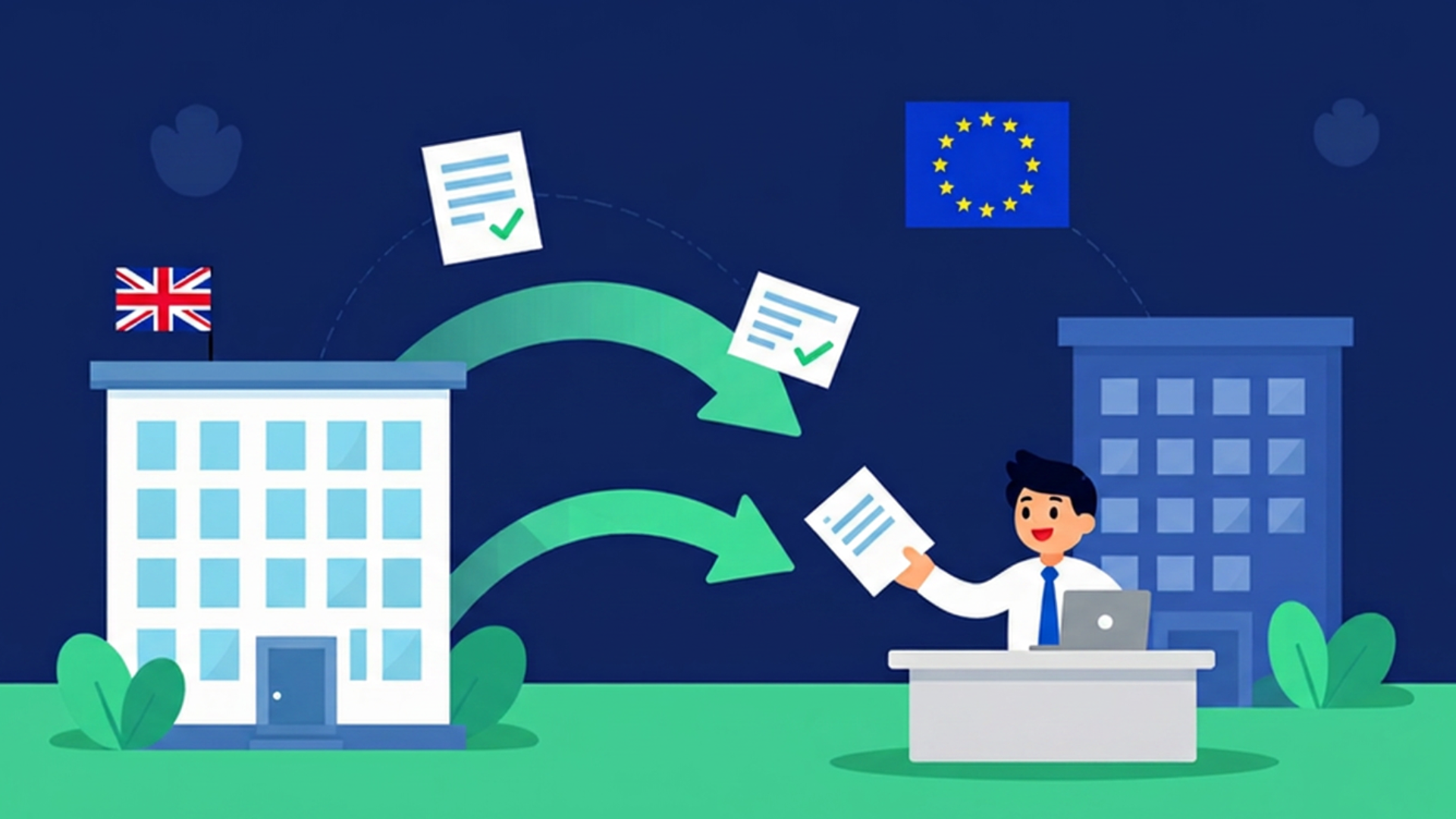
British businesses may still need to send or receive invoice data in the format required by another country. As more markets introduce their own compliance requirements, British organisations with European connections may need to manage different reporting frameworks and invoice formats as part of everyday trading.

Why Should UK Businesses Care?

E-Invoicing Structured Data Cartoons (1)

It can be tempting to view European e-invoicing mandates as something that only affects organisations based within the EU. In practice, the impact reaches much further.

Many UK businesses sell into European markets, purchase goods and services from European suppliers, or support customers with operations across Europe. As e-invoicing becomes the expected way of exchanging invoice data, businesses that can work seamlessly with these requirements will find it easier to maintain efficient trading relationships.

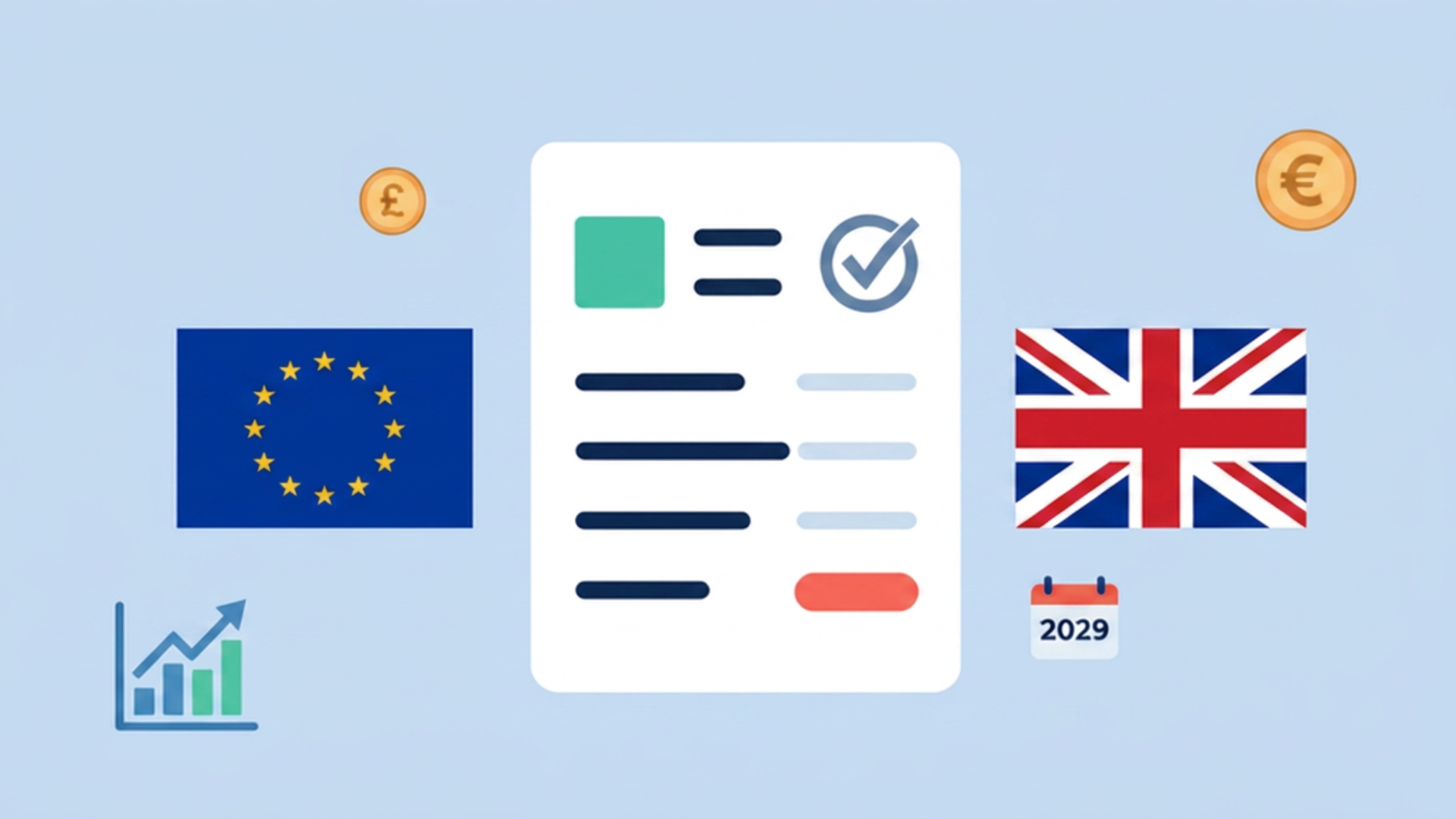
There is also a domestic reason to pay attention. Following a consultation on promoting electronic invoicing across UK businesses and the public sector, the UK Government announced plans to introduce mandatory e-invoicing for VAT invoices from 2029. An implementation roadmap is expected to provide further detail on how the transition will take place.

The government's consultation response highlighted a range of potential benefits, including increased efficiency, improved tax compliance, stronger productivity, and a reduction in late payments. Research referenced in the response suggested that businesses adopting e-invoicing can experience meaningful savings alongside improvements in cash flow.

The direction of travel is becoming increasingly clear: digital invoicing is evolving from an operational preference into a business standard.

Preparing now Makes Future Change Easier

E-invoicing preparation

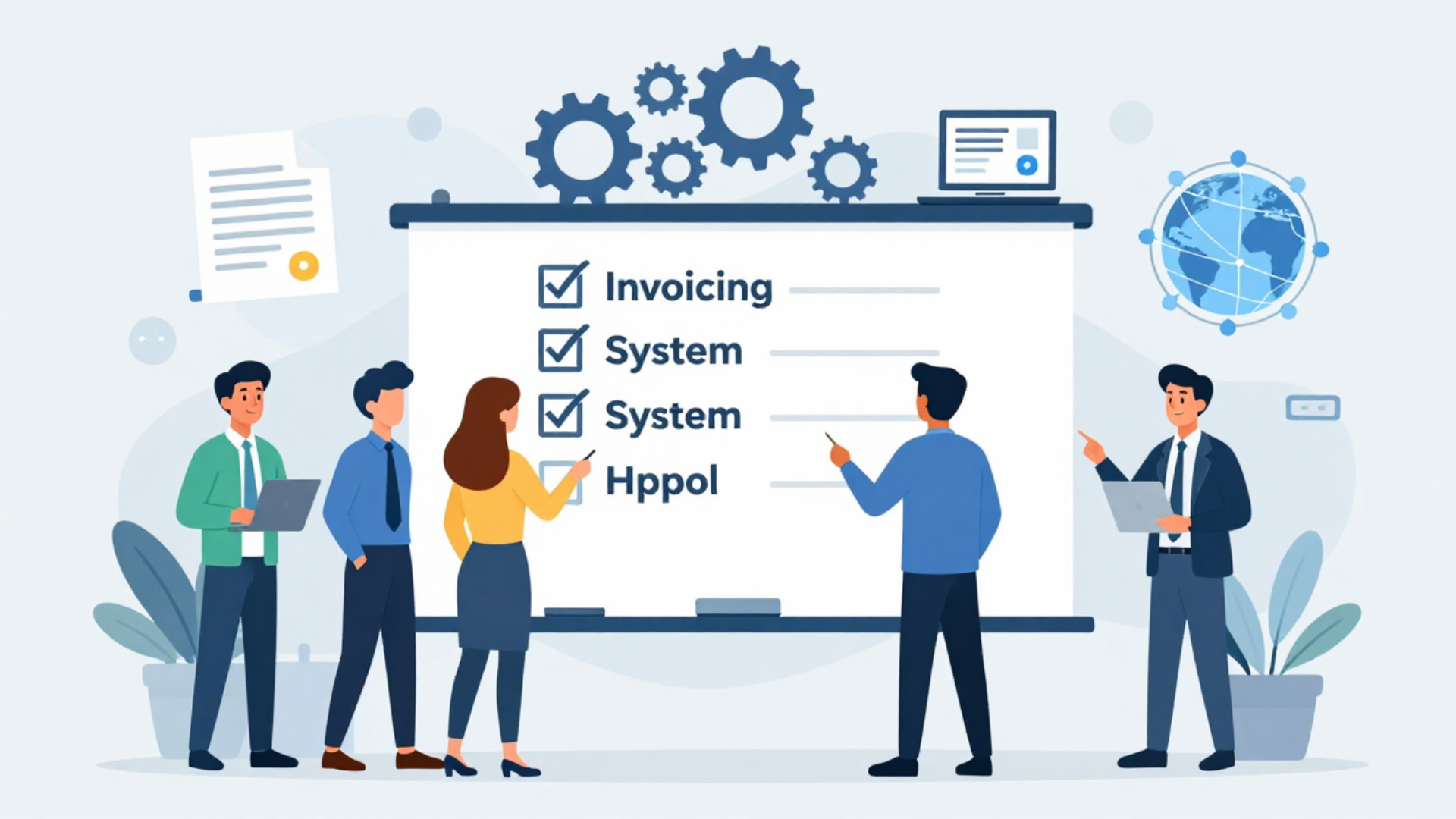
The organisations that are likely to navigate these changes most successfully are those that begin planning ahead.

That preparation may include:

  • Reviewing current invoicing processes.
  • Understanding customer and supplier requirements.
  • Assessing whether existing finance systems can support structured e-invoicing.
  • Identifying opportunities to automate invoice processing and reporting.
  • Exploring software solutions that support electronic invoice exchange.

Many businesses already have strong foundations in place through their ERP or finance systems. The next step often involves understanding how those systems can be extended to support evolving e-invoicing requirements, reduce manual processing, and create a more connected flow of financial data between customers, suppliers, and internal teams.

For organisations using Microsoft Dynamics 365 Business Central, tools such as Continia can extend existing finance workflows to handle electronic documents more effectively. This may include sending, receiving, and managing invoice data through Business Central, as well as connecting to networks such as Peppol where these formats are required by customers or suppliers. Used in this way, Continia is a great example of how businesses can build e-invoicing capability into systems they already use.

Looking Ahead

E-invoicing is rapidly becoming part of the fabric of modern business across Europe. As mandates continue to expand and the UK moves towards mandatory e-invoicing for VAT invoices from 2029, businesses have an opportunity to prepare in a measured and strategic way.

For organisations trading internationally, the shift is already taking shape across key European markets. For those operating primarily within the UK, the foundations are being laid for significant change over the coming years.

What's particularly exciting is that this is about far more than compliance. Done well, e-invoicing can support faster processes, better visibility, improved cash flow, and a more efficient finance function.

Businesses that start exploring their options now will be well placed to adapt as requirements evolve and take advantage of the wider benefits that come with a more connected, digital approach to invoicing.

If you would like to learn more about how Microsoft Dynamics Business Central and Continia can help streamline your finance function, contact us at sales@cloud9insight.com to arrange a call.