
Shadow AI: What is it? Why is it Dangerous? How can you Address It?5 min read
AI is increasingly becoming a normal part of everyday work. Usually, changes to the way people work are introduced from the top down. However this time it is different. Employees are taking the reins in this era of transformation and are already using it to more efficiently manage their workloads.
For businesses, this brings huge opportunity, but it also creates risk. AI can help close the capacity gap: between what teams can achieve and the limits of time, budget and resources. It can support productivity at scale and free people up for higher-value work. But without the right oversight, the silent creep of shadow AI can create significant risk.
What Shadow AI Really Means

Shadow AI is the use of AI tools without formal approval, guidance or oversight from employers. When employees use public AI tools and share work information without permission, the organisation may be exposed to risks that are difficult to see, manage or control.
Why are Teams Creating Shadow AI?

When employees are not given approved AI tools, licences, training or clear policies, they are likely to take matters into their own hands. Free tools such as ChatGPT and Claude are easy to access, and can act as a great support tool for employees. 38% of employees admit to feeding AI tools company-sensitive information without permission from their employers. The problem is that, without clear guidance, this well-intentioned use can become a hidden organisational risk.
The Hidden Risks That Accompany It
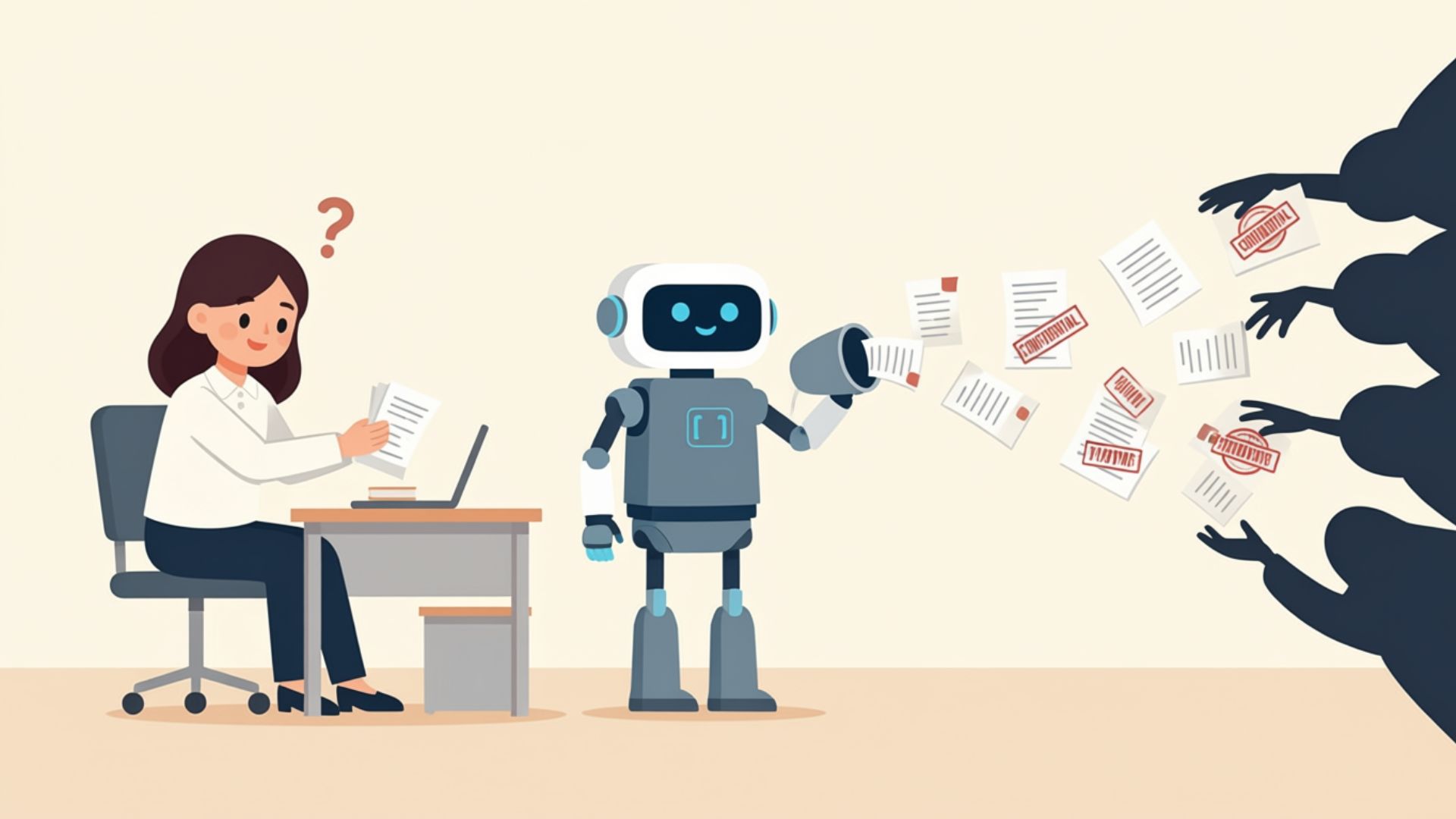
When employees use AI tools outside approved channels, sensitive information can quickly move beyond organisational control. Many AI tools learn from the data they are given. Confidential details, customer information or internal documents could appear not only in your own future outputs but also in outputs to people outside of your organisation. This creates a serious GDPR risk, especially where there is limited visibility of what data is being shared. The consequences can be significant, from financial penalties and legal exposure, to the loss of unique IP.
Research suggests this behaviour is becoming more widespread. As generative AI use grows across business environments, more employees are turning to AI tools to help with everyday work, sometimes without realising what they may be sharing or where that information could go.
In the UK, data leakage incidents linked to generative AI use have already affected organisations. This reinforces the need to understand not only which AI tools have been approved, but also how people are using AI in practice.
AI regulation is also starting to catch up with the pace of technological change. The EU AI Act is enforcing clearer expectations around the safe and responsible use of AI in August 2026. This will include more stringent regulation around the need for organisations to ensure employees have an appropriate level of AI literacy.
Although UK businesses are not directly regulated by the EU AI Act, they may still be affected if they operate in, supply to, or support customers within the EU. As the UK develops its own approach to AI regulation, building AI readiness now can help organisations adapt more quickly and reduce future compliance risk.
How can you Prevent Shadow AI?
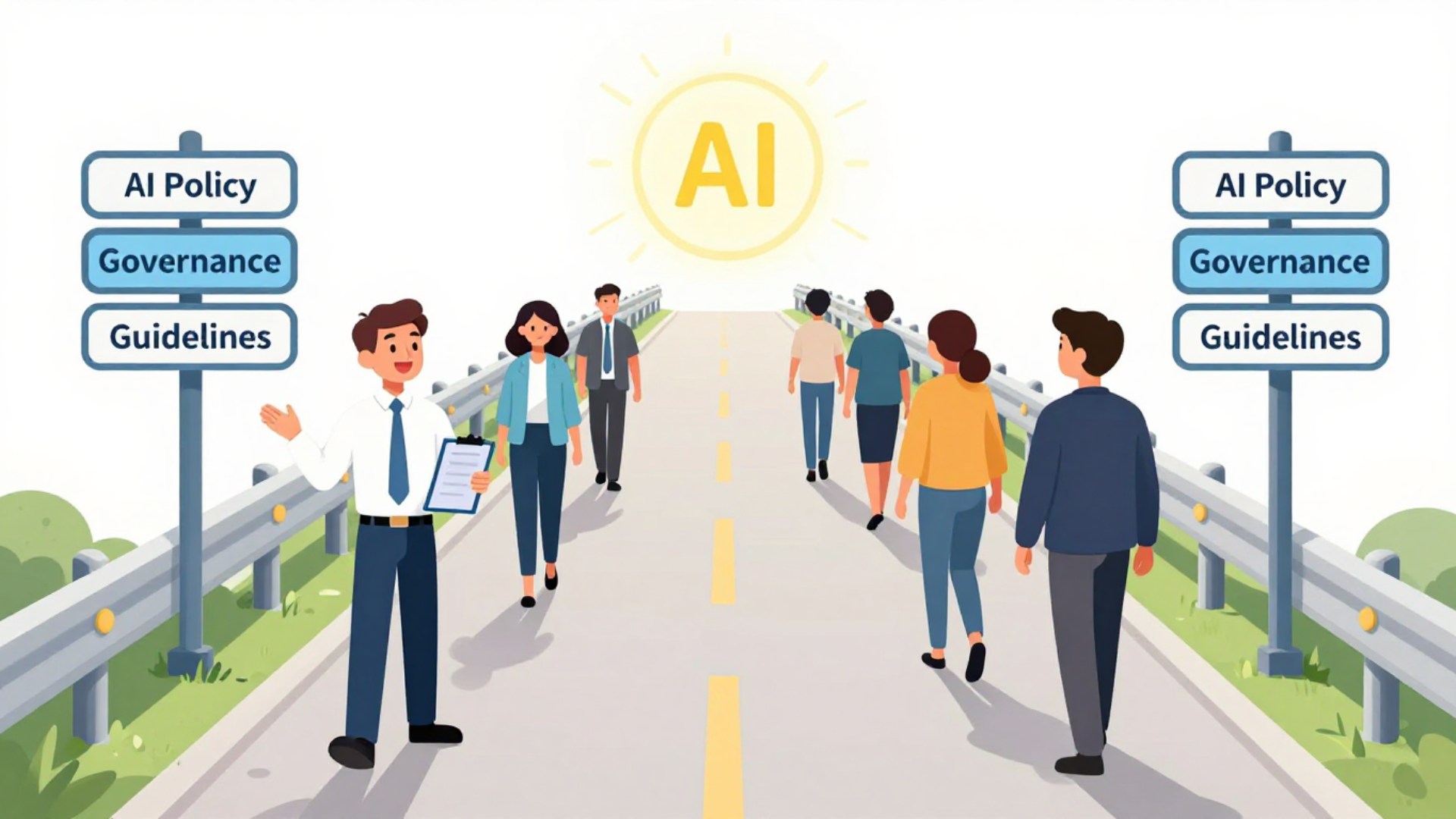
Banning AI is unlikely to stop shadow AI. It’s a bit like trying to ban sweets from kids when they know what it tastes like, they’ll just crave the sweets more. Banning AI may push usage further out of sight and make it harder for organisations to keep pace as AI adoption accelerates. A stronger approach is to create a clear AI strategy that gives employees the confidence, guidance and guardrails to use AI safely and responsibly. A strong AI strategy should include:
- A governance framework that gives structure to how AI tools are used and how data is handled.
- Open dialogue between IT, security teams and business units, so there is a shared view of what adds value and what needs careful control.
- Clear guardrails, policies and secure environments that help teams use AI within defined boundaries.
- Monitoring that helps identify where AI tools are appearing across the organisation.
- Regular communication so employees understand both the potential and the implications of using AI.
A Defining Moment for Leadership
AI has the potential to transform the way organisations work, but to unlock its value safely businesses need more than access to tools. They need a strategy that helps people use AI confidently, responsibly and within clear, trusted boundaries.
At Cloud9, we help organisations define an AI strategy that supports safe adoption, builds confidence and maximises return on investment. Contact Sales@cloud9insight.com for more information.